
The world's deadliest food causes more than 200 deaths a year, yet millions of people continue to eat it.
It's an ingredient found in many cuisines around the world, prized for its soft texture, versatility, and subtle flavor. Yet, behind its apparent harmlessness, cassava hides a lesser-known—and potentially worrying—aspect. What if one of the most consumed foods in the world were also one of the riskiest if prepared incorrectly?
An everyday food... but one to be handled with care
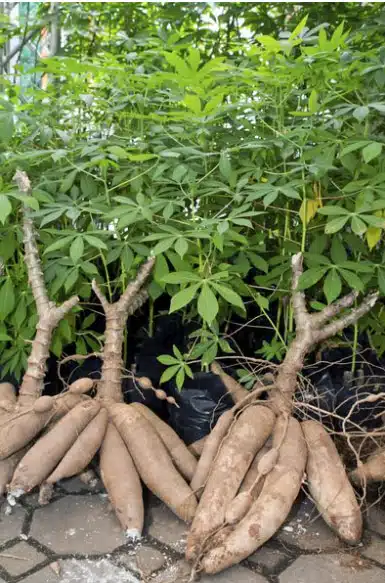
Cassava, also called sweet or bitter cassava , is a tropical root that has been cultivated for centuries, particularly in South America, Africa, and Asia. Every day, nearly 500 million people consume it, in the form of puree, fries, cakes, or flour.
But be warned: cassava, especially the so -called "bitter" variety , naturally contains compounds called cyanogenic glucosides. That sounds very technical… and it is, to some extent. But just remember this: if these substances aren't eliminated, they can produce cyanide. Yes, that well-known poison, often mentioned in detective novels and spy movies.
Why is it referred to as "the most dangerous food in the world"?
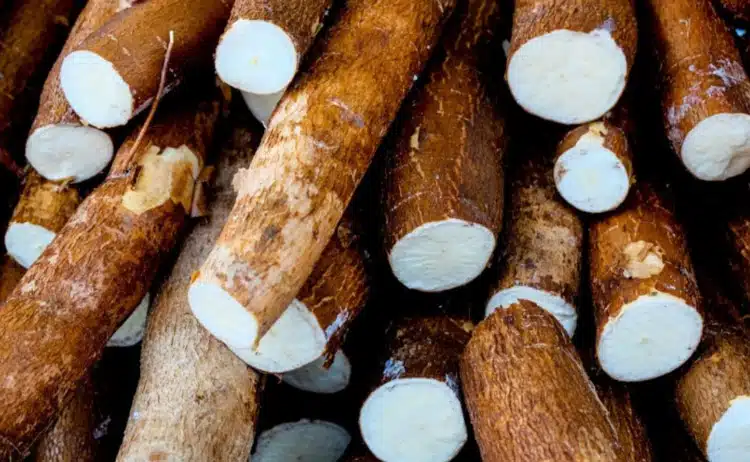
This somewhat alarming nickname stems from the fact that, every year, approximately 200 people worldwide die after consuming improperly prepared cassava. This occurs primarily in contexts of crisis, famine, or extreme poverty, where preparation methods are sometimes rushed out of necessity.
The World Health Organization itself reminds us that "cassava must be processed properly to avoid dangerous exposure to cyanide ." Therefore, it's not about stopping consumption of this root vegetable, but about knowing how to cook it correctly!
An everyday food... but one to be handled with care
Cassava, also called sweet or bitter cassava , is a tropical root that has been cultivated for centuries, particularly in South America, Africa, and Asia. Every day, nearly 500 million people consume it, in the form of puree, fries, cakes, or flour.
But be warned: cassava, especially the so -called "bitter" variety , naturally contains compounds called cyanogenic glucosides. That sounds very technical… and it is, to some extent. But just remember this: if these substances aren't eliminated, they can produce cyanide. Yes, that well-known poison, often mentioned in detective novels and spy movies.
Why is it referred to as "the most dangerous food in the world"?
This somewhat alarming nickname stems from the fact that, every year, approximately 200 people worldwide die after consuming improperly prepared cassava. This occurs primarily in contexts of crisis, famine, or extreme poverty, where preparation methods are sometimes rushed out of necessity.
The World Health Organization itself reminds us that "cassava must be processed properly to avoid dangerous exposure to cyanide ." Therefore, it's not about stopping consumption of this root vegetable, but about knowing how to cook it correctly!
- Always cook it : raw cassava should be avoided, especially its leaves and skin.
- Soaking it : In some recipes, cassava is grated and then soaked in water for 24 to 48 hours, which helps to eliminate toxins.
- Peel it carefully : because it is in the skin that undesirable substances are most concentrated.
- Consume it as part of a balanced diet , particularly one rich in protein (eggs, fish, legumes, etc.).
Cassava: friend or foe?
Like many foods, it's all about dosage, context, and preparation. It's not cassava itself that's dangerous, but neglecting its processing. In many cultures, this knowledge is passed down from generation to generation – and that's what makes this tuber so valuable and universal.
So, if you're looking to try a new recipe from elsewhere or add a touch of originality to your dishes, why not give cassava a try? When prepared properly, it can become a healthy, tasty, and original staple.
A little-known disease linked to cassava: konzo
In some areas affected by extreme poverty, people can develop a serious neurological condition called konzo. It manifests as sudden muscle weakness, especially in the legs, and can leave irreversible damage.
The cause? Bitter cassava consumed without proper processing, combined with a diet very low in protein. Because protein, precisely, helps our body defend itself against the effects of cyanide.
So, should we remove cassava from our menus?
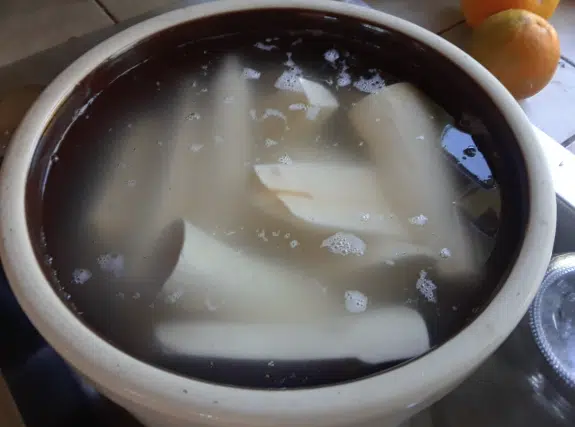
Good news: absolutely not, provided you prepare it correctly ! Here are a few simple steps to take to enjoy this tuber safely:


0 Comments:
Post a Comment