
How To Prepare Shrimp and Why You Shouldn't Eat That 'Black Vein'
If you've ever cooked shrimp, you might have noticed a black vein in shrimp running along its back. This so-called “black vein” often causes confusion and even disgust for many home cooks. Some people wonder if it's harmful or simply something that should be removed for better taste. In reality, the black vein is just the shrimp's digestive tract, but it can carry grit or a bitter flavor that's best avoided. In this article, I'll guide you step-by-step on how to prepare shrimp properly, including how to remove that shrimp vein. I'll also explain why you shouldn't eat the black vein and finish up with some surprising health benefits of shrimp that might make it your new favorite seafood.
What Is the Black Vein in Shrimp?
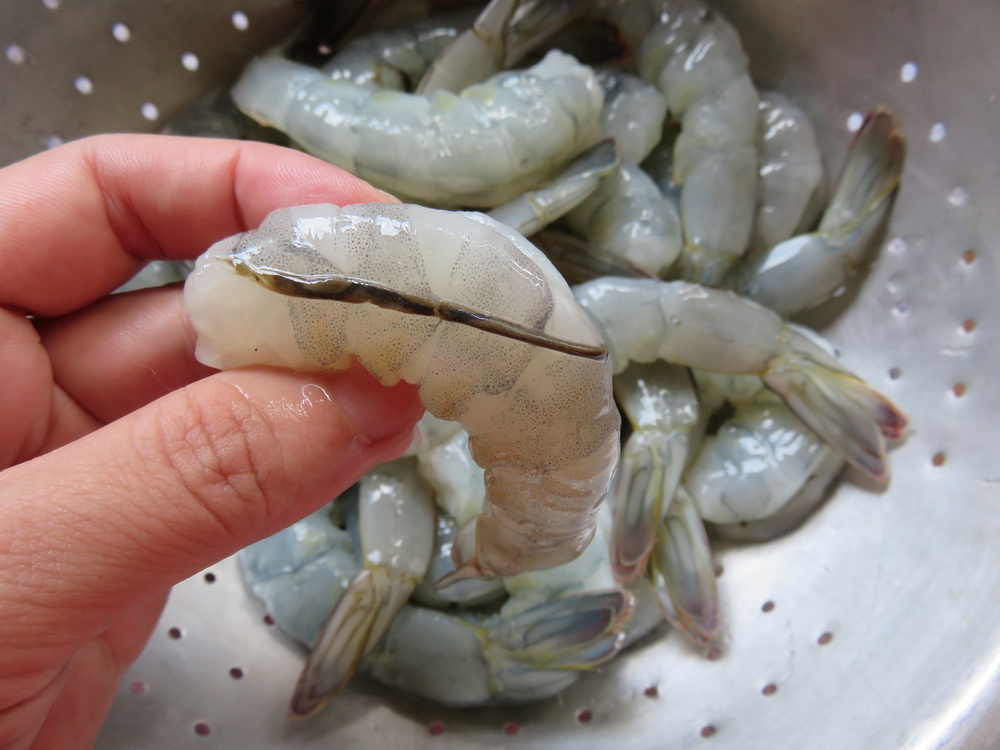
The black vein in shrimp isn't a blood vessel like many people assume. Instead, it's actually the shrimp's digestive tract , often called the shrimp vein. This dark line contains the shrimp's waste material. It runs along the back and can sometimes be seen through the translucent shell. While it doesn't look very appetizing, it's not toxic or harmful if accidentally eaten. However, most people prefer to remove it because it can taste bitter or gritty. Understanding this can help you feel more comfortable when cooking and eating shrimp.
Why You Should Develop Shrimp
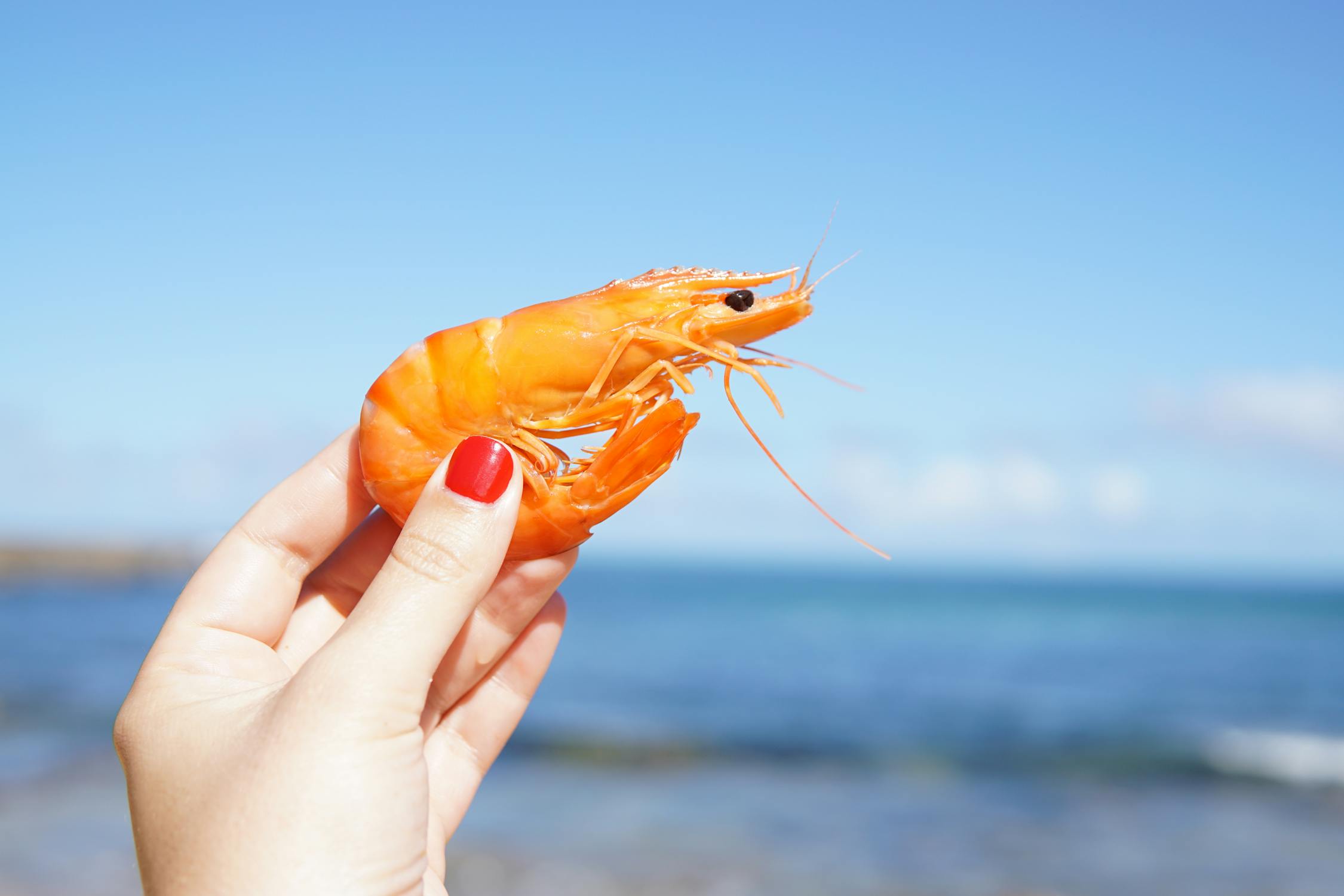
Deveining shrimp means removing that black or sometimes white line along the shrimp's back. Even though the shrimp vein isn't dangerous, many chefs recommend deveining to improve the shrimp's flavor and texture. The digestive tract can hold sand or grit, which may give a gritty texture to your dish. It also makes the shrimp look cleaner and more attractive. In recipes where shrimp is served whole or in simple preparations, deveining is especially important for presentation. It's mostly a matter of personal preference, but many agree it's worth the extra step.
How to Properly Devein Shrimp
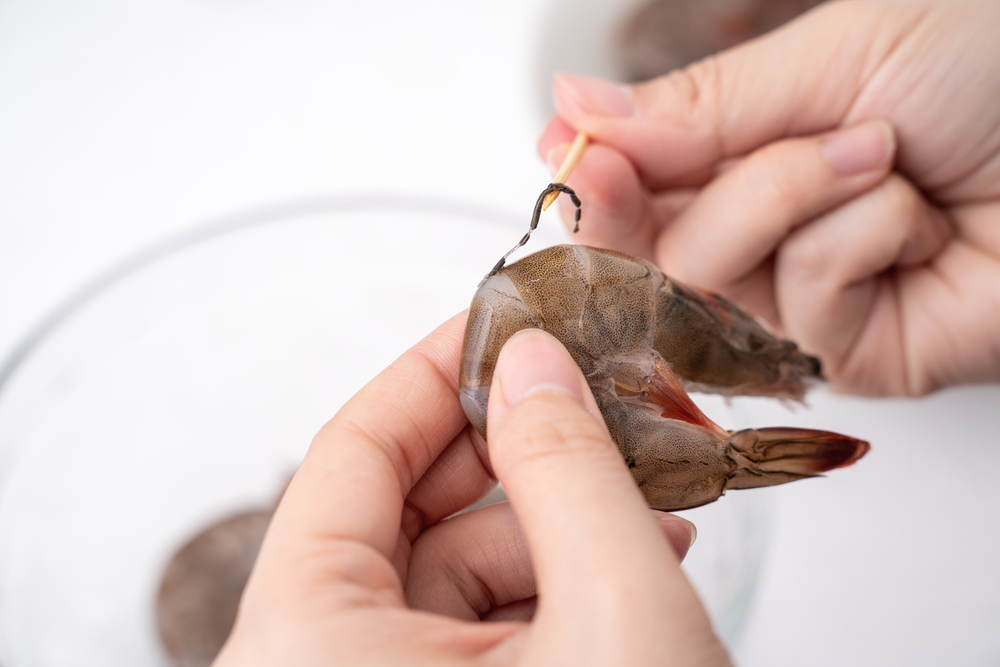
Devining shrimp is easier than it sounds. First, rinse the shrimp under cold water to clean the surface. Then, use a small paring knife or a shrimp deveiner tool to make a shallow cut along the shrimp's back. You'll see the vein easily. Gently lift it out with the tip of the knife or your fingers. Some veins come out in one long piece, while others may break up. Rinse the shrimp again to remove any leftover grit. With a little practice, deveining can take less than a minute per shrimp. This simple step makes your shrimp look fresher and taste better.
Should You Always Remove the Shrimp Vein?
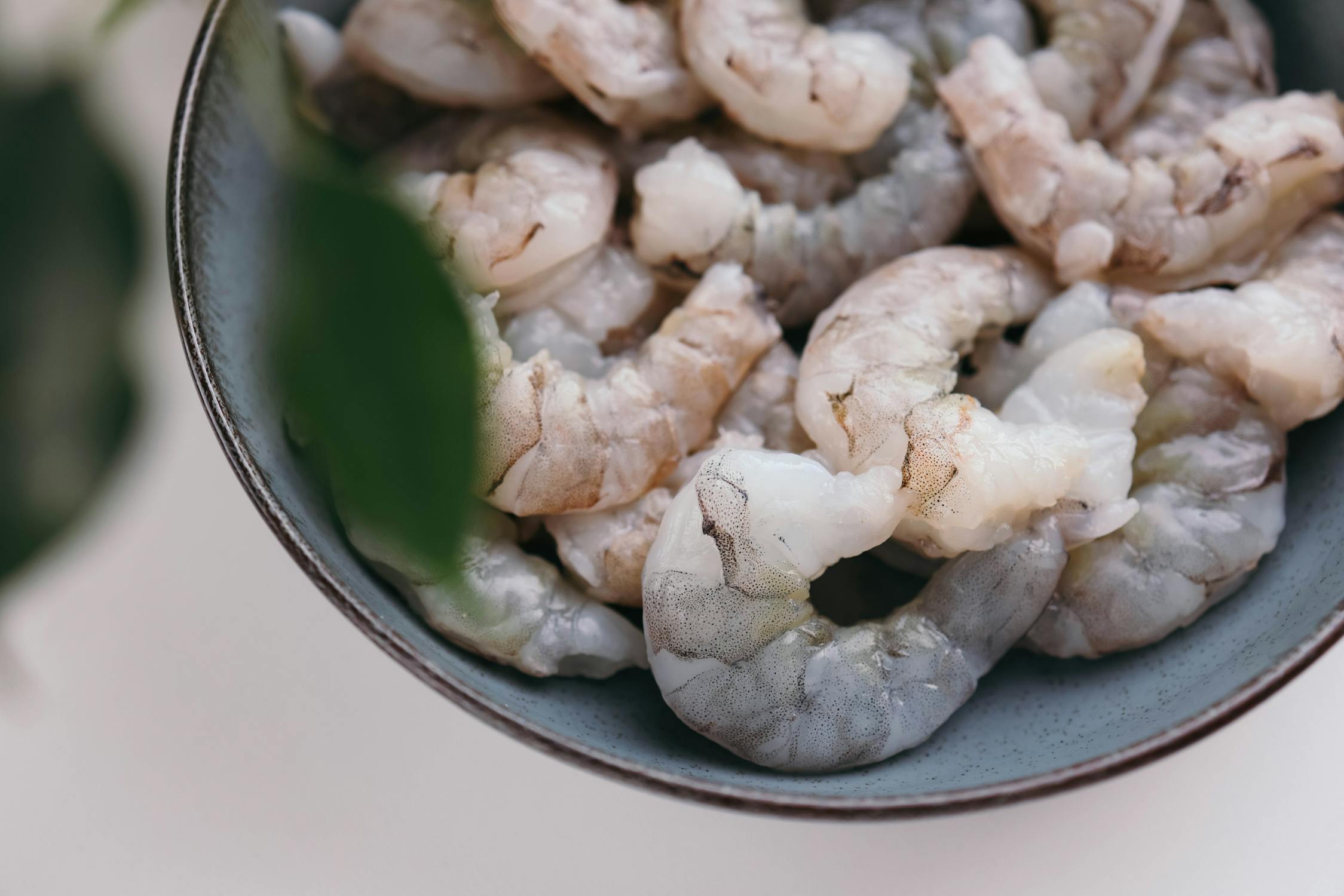
Not everyone removes the shrimp vein. Some smaller shrimp have veins so tiny they don't bother with it. Also, farmed shrimp are often cleaner because their diet and environment are controlled. Wild-caught shrimp, however, can have more debris in the vein. If you're cooking shrimp in a heavily spiced dish, the vein's taste might get masked anyway. So, it's really up to you and your preference. If you're cooking for guests or want a cleaner presentation, removing the vein is a good idea. Otherwise, it's safe to eat, but many find it less enjoyable.
How to Buy Fresh Shrimp
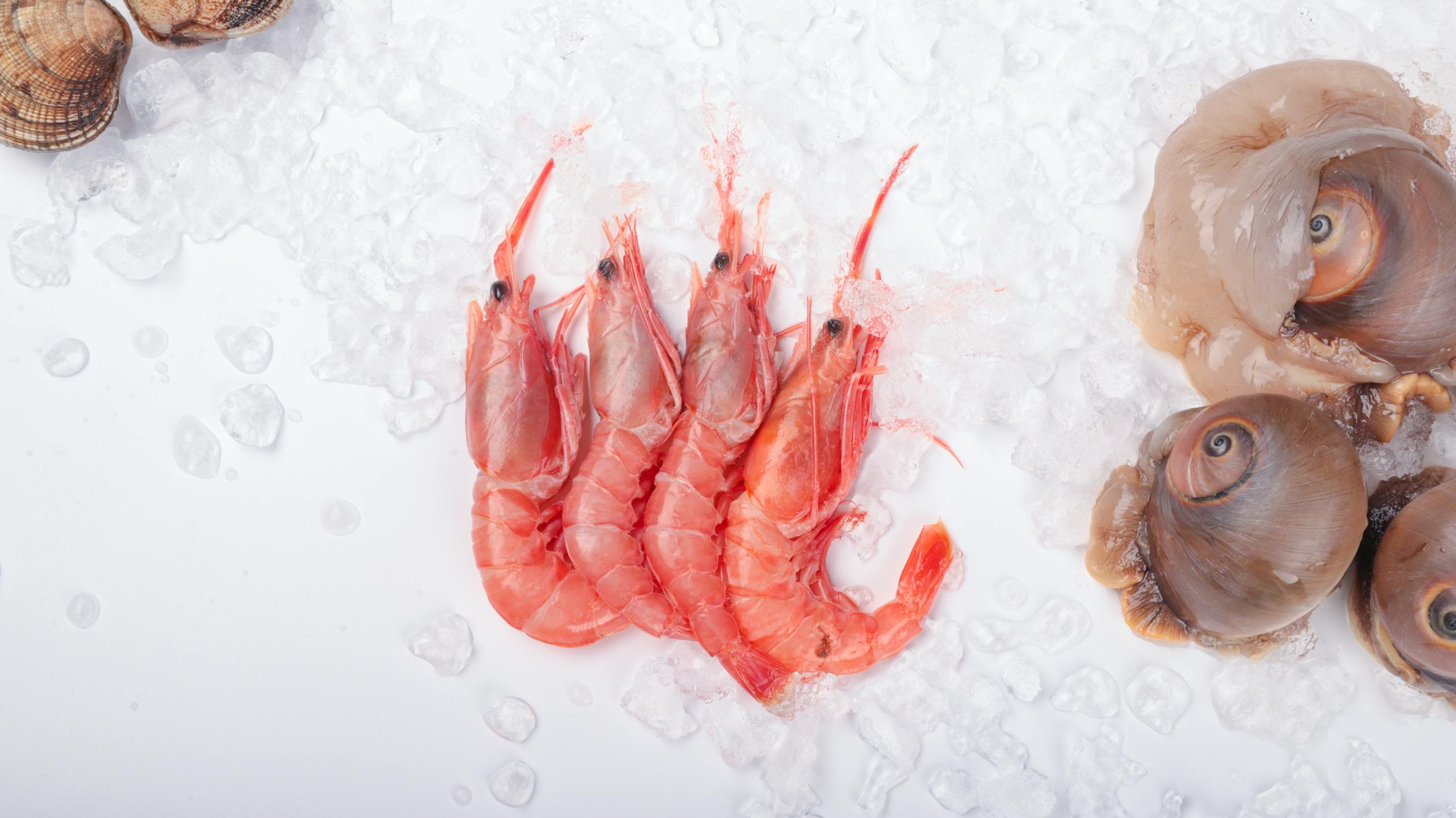
Fresh shrimp can make a big difference in taste and texture. When buying shrimp, look for firm flesh and a mild sea smell. Avoid shrimp that smells fishy or ammonia-like. If the shrimp still has the shell, check that it's shiny and moist. For peeled shrimp, the flesh should be translucent and springy. Also, consider whether you want wild-caught or farm-raised shrimp. Each has pros and cons for taste and sustainability. Fresh shrimp often come with the vein intact, so be prepared to clean them if you want to devein. Buying from a trusted fishmonger can save you time and ensure quality.
Frozen Shrimp: What to Know
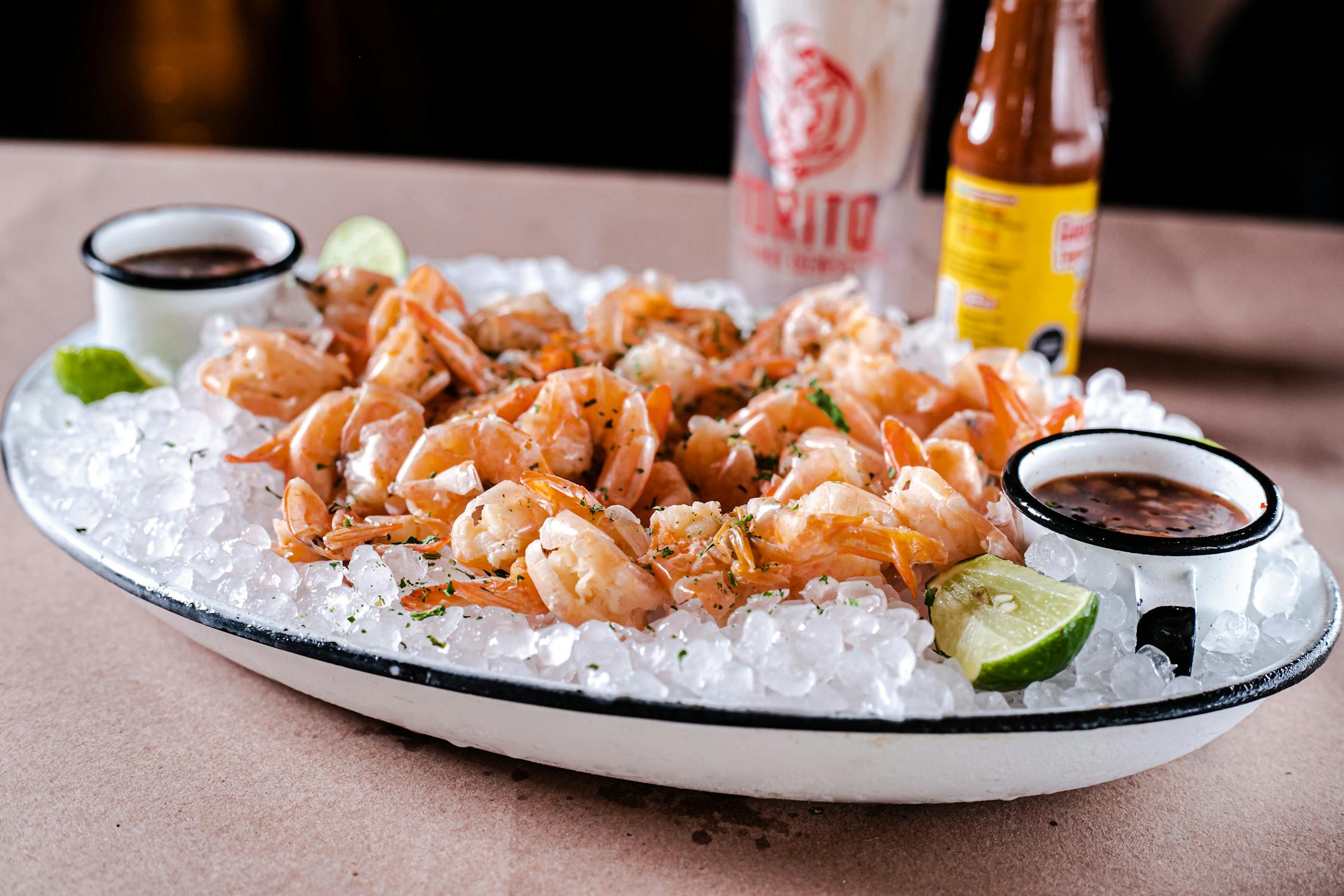
Frozen shrimp is convenient and widely available. Most frozen shrimp are pre-cooked or frozen raw with the vein still inside. Look for shrimp labeled “previously frozen” or “raw” to know what you're getting. When thawing frozen shrimp, do it slowly in the fridge or under cold running water. Avoid thawing at room temperature to keep the shrimp safe. Some brands sell deveined frozen shrimp, which is a real time-saver. However, you might pay a bit more for that convenience. Frozen shrimp can be just as good as fresh if handled and cooked properly.


0 Comments:
Post a Comment