
Fleece on the mind of women: what does it mean?
The hormones, the suspicious principals
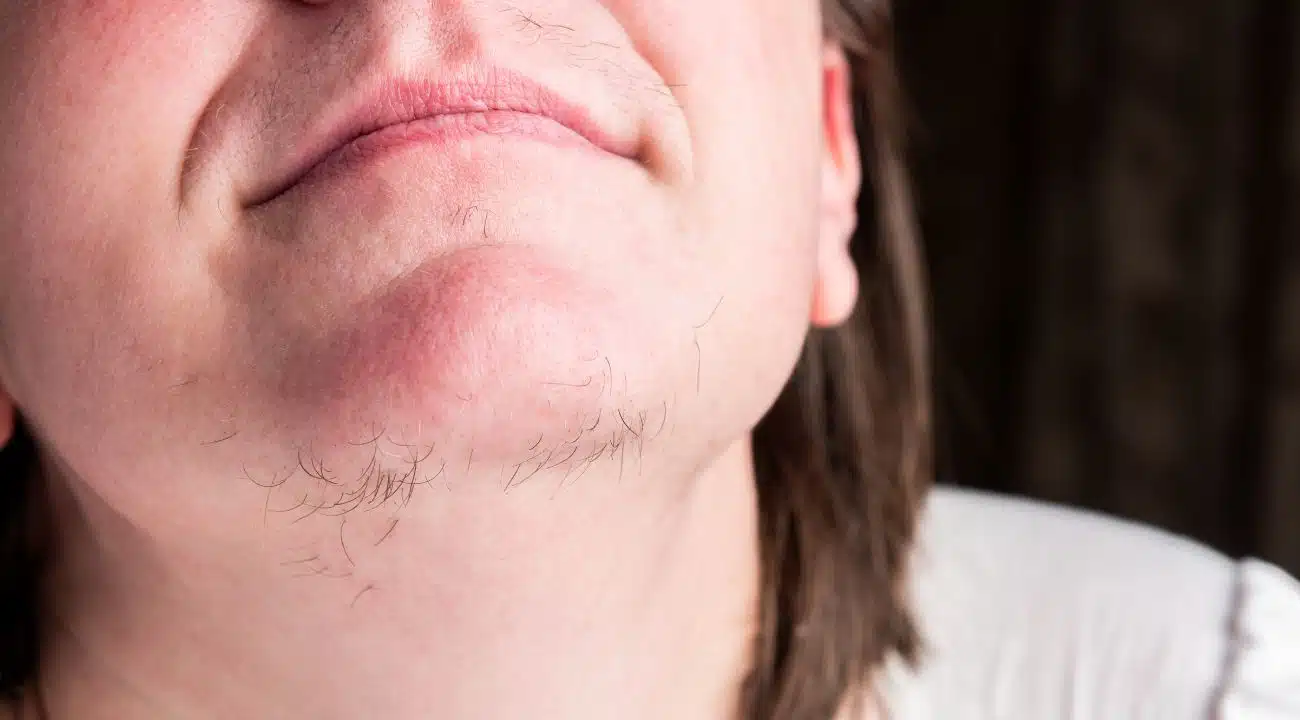
Let's start with the most common faults: andrógenos. These hormones, commonly associated with male characteristics, are present in a natural way in all women. They are responsible, among other things, for the growth of the fleece. When our skin levels increase or when our body becomes more sensitive to it, the facial skin, above all in the barbilla, can become more abundant. This is a very common phenomenon, especially in certain stages of life.
periods of hormonal imbalancePuberty, embarrassment, menopause… These important stages of the life of the woman are usually accompanied by significant hormonal fluctuations. And sometimes, with it there is a notable increase in the fleece in unexpected areas such as the barbilla. During menopausia, for example, the loss of estrogen levels leaves more space for androgens, which favors the growth of thick and dark facial hair. A natural process, admittedly a little frustrating, but one of those small bodily changes that can be accepted with serenity and tranquility.Genetics is a factor that we do not elect
If your mother or baby usually keeps some hair in the doll, it's likely that you will too. Genetics largely determines the density and location of your hair follicles. It is similar to the color of the eyes or the shape of the hair: it forms part of your biological heritage.
Hair cycles, well stable phases
What is less known is that the bodily fleece, like the hair, follows a specific cycle of three stages:
Anagena: the active growth phase.
Catagena: a short transition phase when the hair begins to grow.
Telógeno: the rest phase before the fall of the hair.
The duration of these phases can vary depending on the area of the body and the person. Therefore, sometimes it seems that a hair appears from night to morning when, in reality, it takes several weeks in a phase of growth hidden under the skin.


0 Comments:
Post a Comment