
Let's be honest: having breasts can come with a few logistical challenges. Between finding the perfect bra and dealing with gravity, there is one annoying guest that tends to come along uninvited as soon as the weather gets warmer: the dreaded underboob rash. If you've ever looked in the mirror and seen a patch of red, angry skin staring back at you from the underside of your breast, don't panic. You aren't alone. A rash underneath your breasts is an incredibly common issue that many women and even some men will deal with at some point in their lives. Consider this your guide into the world of sub-mammary skin health. We'll look at the common causes of rash under the breast, how to banish the itch for good, and most importantly, how to prevent it from coming back.
What Exactly is an Underboob Rash?
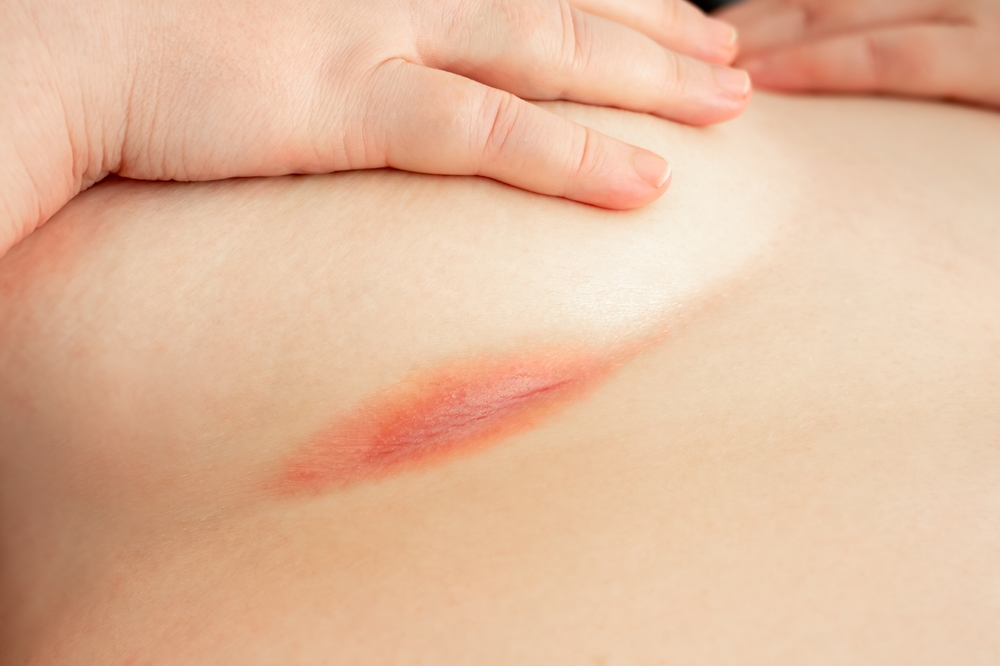
In medical terms, the most common type of underboob rash is called intertrigo . While it may sound like a fun Italian appetizer, it is just the name of an inflammatory skin condition caused by skin-to-skin friction. Skin rubbing against skin creates heat. Add a little sweat and a lack of air circulation due to the bras and the natural fold of the breast, you create a little tropical microclimate right there on your skin. This environment is the perfect petri dish for irritation, bacteria, and fungi to thrive.
Symptoms of underboob rash can vary, but usually you will notice the following:
- Redness or pinkness in the skin fold.
- An itchy or burning sensation.
- Small bumps or a raw, shiny appearance.
- A musty odor if a yeast infection has developed.
- Cracked or “weeping” skin in severe cases.
The Usual Suspects: Common Causes of Rash Under Breast

Heat, moisture, and friction are the most common causes of rash under the breasts. Image credit: Shutterstock Understanding the causes of rash under the breasts is the first step toward getting relief. These are the most frequent culprits:
1. Heat, Moisture, and Friction (The “Big Three”)
The most common cause is simply the environment. During the summer months or after a workout, sweat gets trapped between the breast and the chest wall. If the skin stays damp for too long, the protective barrier of the skin begins to break down, leading to chafing and inflammation.


0 Comments:
Post a Comment